When discussing horror films, Black Christmas occupies a uniquely chilling spot in cinema history. Released in 1974 and directed by Bob Clark, this Canadian slasher redefined the genre by introducing a sense of atmospheric dread, unforgettable visuals, and themes that remain disturbingly relevant even 50 years later. For horror enthusiasts and film aficionados alike, Black Christmas transcends being just a cult classic—it serves as the blueprint for modern horror.
The Birth of the Slasher Genre
Long before Halloween (1978) or Friday the 13th (1980), there was Black Christmas. Set in a sorority house during the holiday season, the film follows a group of women who receive terrifying phone calls as an unseen killer begins to stalk and murder them. Unlike earlier horror films, Black Christmas introduced elements that would become staples of the slasher genre:
- POV Shots from the Killer’s Perspective: The film’s use of first-person shots immerses viewers in the killer’s point of view, creating an unsettling sense of voyeurism.
- Ambiguity of the Killer: Billy, the unseen murderer, remains shrouded in mystery. His chilling phone calls suggest a disturbing backstory, yet the film never fully reveals his motives.
- Atmosphere Over Gore: Bob Clark expertly builds suspense through shadows, sound design, and unsettling imagery rather than relying on excessive violence.

Claire’s Legacy: An Iconic Image
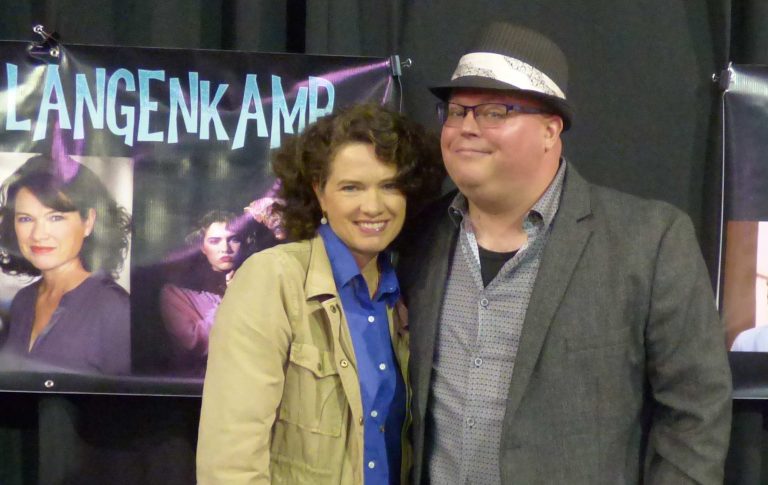
One of the most memorable moments in Black Christmas is the chilling image of Claire, portrayed by Lynne Griffin, who is suffocated with a plastic bag and left in a rocking chair. This haunting visual, prominently featured in the film’s marketing, has become a defining symbol of horror cinema. During her appearance on Horror Heals, Lynne reflected on her experience filming the scene and its lasting impact:
A Feminist Undertone
Bob Clark would sit in the attic, rocking me back and forth, cracking jokes in between takes. Who would have thought that image would resonate with fans for 50 years? I still get requests to sign photos of myself with a bag over my head! Claire’s shocking fate sets the tone for the film: no one is safe, and horror can strike at any moment.
While Black Christmas delivers its share of scares, it also explores progressive themes that were groundbreaking for 1974.
- Women Taking Control: Jess, the film’s lead (played by Olivia Hussey), is determined to have an abortion—a bold and controversial topic at the time. Her autonomy and strength resonate with audiences even today.
- Strong Female Characters: Each of the women in Black Christmas feels authentic—flawed yet independent, making their fates all the more impactful.
- Subverting the Final Girl Trope: Jess’s fate at the end remains uncertain, breaking away from the predictable happy endings of other horror films. As Lynne Griffin shared during her Horror Heals episode:
“Fans, especially young women, often tell me how empowering the film feels. It wasn’t something we considered back then, but looking at it now, it’s clear these women weren’t victims—they were survivors in their own right.”

Why Horror Fans Still Love Black Christmas
For many years, Black Christmas has been rediscovered by new generations of horror enthusiasts. Its charm lies in its unique blend of realism and fear, leaving viewers feeling unsettled long after the film ends. Here’s why it continues to resonate:
- A Holiday Nightmare: The contrast between the festive Christmas season and sheer terror makes Black Christmas feel even more sinister.
- The Power of Silence: By never fully revealing Billy or his backstory, the film compels viewers to conjure the horror in their minds—making it all the more unsettling.
- Timeless Atmosphere: The snowy backdrop, haunting phone calls, and Bob Clark’s cinematography create an immersive experience that feels as fresh today as it did upon release.
The Sequels, Remakes, and It’s Me, Billy
The legacy of Black Christmas has led to two remakes, released in 2006 and 2019, each with varying levels of success. However, it’s the fan-made sequel It’s Me Billy (available on YouTube) that truly captures the essence of the original.
Lynne Griffin, who plays Claire’s sister, Nancy, in the film, praised the sequel for its deeper dive into the story:
“It’s Me Billy explores Billy’s mental health and expands on the world of the original film while remaining faithful to its tone. It’s something that fans of the original will genuinely appreciate.”
The Healing Power of Horror
Beyond its scares, Black Christmas illustrates why horror resonates so profoundly with its audience. For many fans, horror serves as a means to confront fear, process trauma, and discover strength.
During her Horror Heals interview, Lynne Griffin shared her experiences at conventions and the impact of horror on fans:
“There’s something about horror fans—they’re the warmest, most passionate people you’ll encounter. Horror allows us to connect with our fears, and sometimes, even heal.”
A Must-Watch Holiday Classic
Whether you’re a horror enthusiast or just starting to explore the genre, Black Christmas is essential viewing. Its chilling atmosphere, groundbreaking themes, and unforgettable imagery make it a holiday classic.
So this holiday season, turn down the lights, check the attic, and revisit Black Christmas. Just remember: if the phone rings… you might want to let it go to voicemail.